
On this page
Vial crimping machine selection starts with three checks
Start vial crimping machine selection with closure compatibility, operator tasks and accepted batch output. Match the vial, stopper, seal and crimping head before comparing machine names or advertised cycle speeds.
For occasional samples, compare manual tools. For repeated batches with an operator loading each vial, evaluate a pneumatic bench machine. For integration with filling and conveying, compare automatic configurations with the cap-handling and transport functions your line needs.
“Pneumatic” describes the drive; “automatic” describes the operating scope. List who loads the vial, inserts the stopper, places the cap and removes the finished vial before comparing price and output.
What does an aluminum vial crimper seal?
A stopper is inserted into the vial, then an aluminum seal or a seal with a plastic flip cap is fitted over it. Crimping forms the aluminum skirt beneath the vial flange to retain the stopper. Closure performance depends on the complete vial, stopper and seal combination.
A screw cap closes by rotation onto a threaded finish. A crimp seal closes by forming metal around the vial finish. Send photographs of the components rather than requesting a generic “bottle capping machine.”
13 mm and 20 mm: check the cap style as well
13 mm and 20 mm are sizes you may encounter, but bottle volume does not specify the crimping head. Use component drawings and measurements, and identify standard aluminum seals separately from seals with plastic flip caps.
The same nominal diameter does not establish interchangeability. Cap-top geometry, skirt height and the assembled stopper position also matter. Confirm tooling for each closure combination.
- Vial: finish dimensions, body diameter, overall height and drawing.
- Stopper: specification, top profile and seated position.
- Seal: nominal size, skirt height, material and cap style.
- Assembly: front and side photographs with stopper and seal in place.
For two formats, send both complete sets of components. One empty vial or a cap-diameter measurement cannot establish compatibility for both jobs.
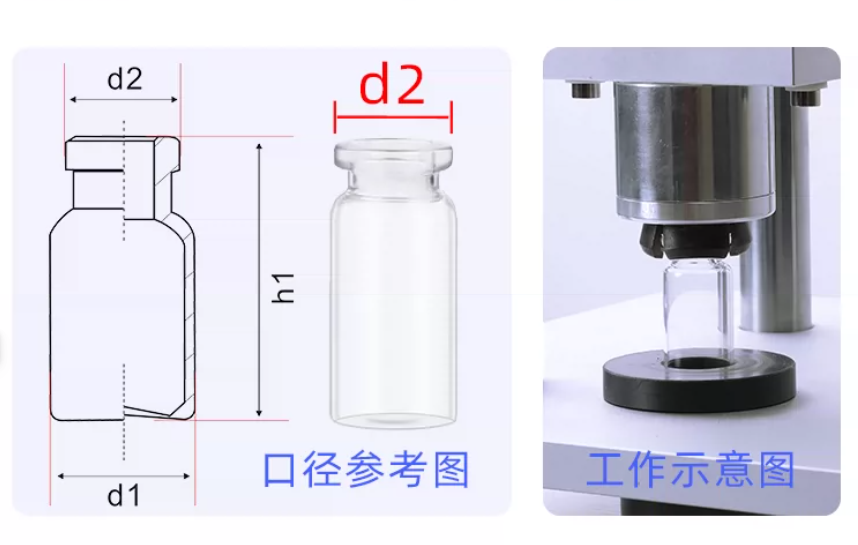
Manual, pneumatic or automatic?
| Option | Task to evaluate | Check before buying |
|---|---|---|
| Manual crimping tool | Occasional samples and small batches. | Closure-specific tooling, operating effort and repeated use. |
| Pneumatic bench machine | Repeated batches with operator-loaded vials. | Positioning, actuation, air supply, guarding and changeover. |
| Automatic equipment | Continuous transport and line integration. | Cap feeding, missing-cap handling, vial stability and interfaces. |
“Pneumatic” identifies the drive method, not automatic vial loading, stoppering or cap placement. An automatic crimper is not necessarily a complete filling and closing line. Ask the quotation to separate machine operations from operator tasks.
Time a representative batch. Record accepted vials, staffing, replenishment and interruptions. The head’s operating cycle is not the finished output of the whole line.
Semi-automatic crimping demonstration
What to confirm on a pneumatic quotation
Include installation requirements as well as the machine and crimping head:
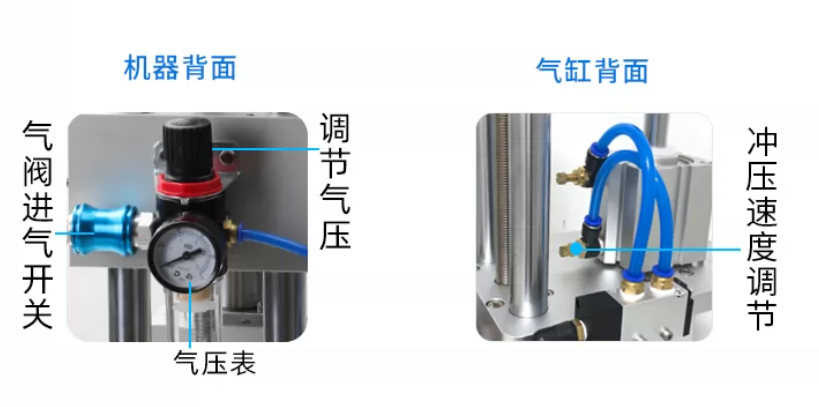
- Required air-pressure range, air consumption, air quality and connection size.
- Whether the compressor, filter/regulator, tubing and fittings are included.
- Foot-pedal or other actuation, vial positioning and hand protection.
- Vial-height and body-diameter limits, head changes and adjustment points.
- Wear parts, spare heads and operating instructions.
Have settings established with your components and documented for the supplied equipment. Do not copy pressure, travel or timing settings from an unrelated machine.
Loose, wrinkled or uneven crimps: what to check
Use these observations to structure a sample review. They identify checks, not a diagnosis from appearance alone. Confirm component and tooling compatibility before adjusting the machine according to its instructions.
| Observation | Check first | Next step |
|---|---|---|
| Loose seal | Closure combination, formed skirt and compression setup. | Share side views and samples; assess a fresh batch after adjustment. |
| Wrinkled or distorted skirt | Skirt height, head fit and forming conditions. | Retain examples and compare results before and after adjustment. |
| Uneven crimp around the vial | Upright loading, support alignment and cap seating. | Observe the complete cycle before changing settings. |
| Damaged vial finish | Pre-existing damage, alignment and setup. | Stop using that setup and have it checked by equipment personnel. |
A neat appearance is only part of the assessment. Where container closure integrity is required, the user needs appropriate validation for the actual product and packaging system. A demonstration video or a hand check does not establish integrity.
Make a sample trial useful for purchasing
- Send matched components. Supply vials, stoppers and seals for every required format.
- Agree on acceptance checks. Include appearance, retention, vial damage and applicable seal-performance requirements.
- Request the full operation on video. Show loading, positioning, actuation, unloading and close-ups of finished vials.
- Measure batch time. Record accepted quantity, staffing and adjustments during the run.
- Test changeover. Include tooling changes, setup and first-piece inspection for additional formats.
Keep approved samples with the configuration list. Compare quotations against the same components, checks and scope of supply.
Frequently asked buying questions
Can a screw capping machine crimp aluminum vial seals?
Check the closing mechanism. A screw-capping head and an aluminum-seal crimping head perform different operations; the general term “capping machine” does not make them interchangeable.
Can one machine handle both 13 mm and 20 mm caps?
Only if its tooling and adjustment range support both assemblies. Confirm the required heads, fixtures and sample results for each format.
Can standard aluminum seals and flip-cap seals use the same head?
Check the cap-top profile, skirt and tooling fit. Identify both closure styles and have each confirmed, even when the nominal diameter is the same.
Is a foot-pedal pneumatic crimper fully automatic?
If an operator still loads, caps and unloads the vial, include those tasks when assessing staffing and output. Specify what each step actually does.
What should I send for a quotation?
Send component photos and dimensions, batch size, target output, required formats, air-supply details and operating conditions. Follow with matched samples to establish the configuration.
Send RUIKE your vial, stopper and seal requirements
Use this checklist to discuss tooling, positioning, change parts and quotation scope:
- Vial-finish drawing, body diameter and overall height.
- Stopper specification, seal dimensions and cap style.
- Batch size, target accepted output and operating hours.
- Manual loading, automatic cap placement or line-integration needs.
- Available air supply, operating environment and trial acceptance requirements.