On this page
Compare the sealing processes at a glance
| Process | Flap handling | Tape positions |
|---|---|---|
| Centre-seam sealing | Operator closes flaps or a separate unit folds them | Top and bottom centre seams |
| Automatic flap folding + centre sealing | Machine folds upper flaps | Centre seams; folding alone does not add edge tape |
| H-sealing combination | Depends on the selected front-end station | Centre seams plus specified edge seams |
Selection essentials
An H-shaped tape pattern is a closure arrangement, not a guarantee that a package is waterproof or suitable for every distribution environment.
What centre sealing does
In a typical centre-sealing process, the carton flaps are closed and tape is applied along the meeting line of the major flaps. Top-and-bottom equipment can address the corresponding centre seams on both faces.
Flap folding and tape application are separate tasks. Some packing stations receive cartons with the flaps prepared by an operator; others incorporate flap-folding equipment. When comparing machines, identify both the tape pattern and the flap-handling work included.
What an edge-sealing stage adds
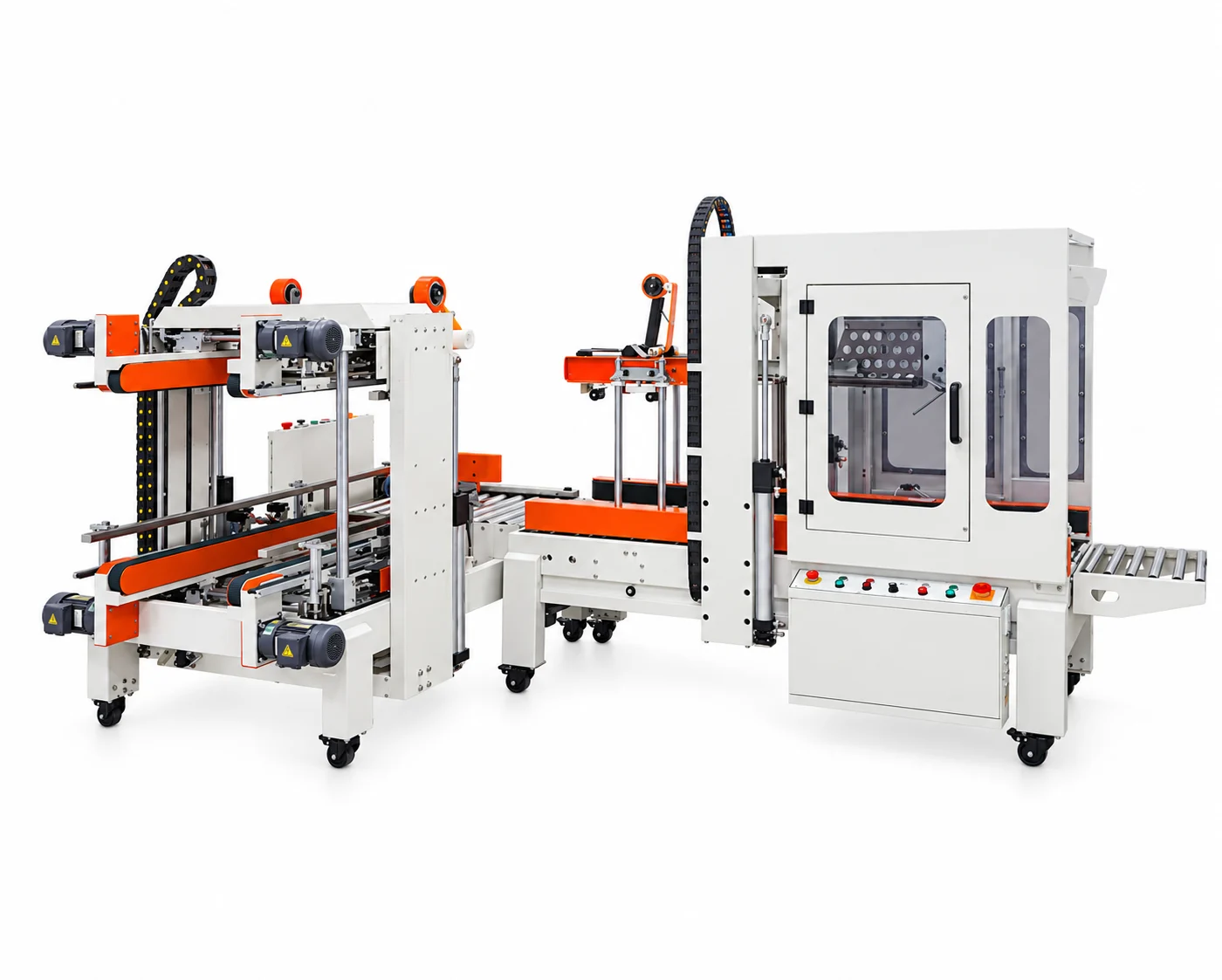
Where a package specification calls for an H pattern, additional tape runs cover the relevant edge seams alongside the centre seal. An edge carton sealer can form part of that process after centre sealing. The complete arrangement may use separate stations, so confirm the incoming carton condition and each machine's role.
Do not select a configuration from the words “automatic” or “four-corner” alone. Ask for a marked carton photograph or a demonstration showing the exact tape positions on the top and bottom. This avoids confusion between the finished sealing pattern and a machine's individual operation.
Which pattern should you choose?
If your agreed packaging requirement calls only for centre-seam closure, assess a centre-sealing solution against that requirement. If it specifies additional edge taping, evaluate the complete H-sealing process. For a carton already centre-sealed upstream, the additional requirement may be an edge-taping station rather than another centre sealer.
If the specification is unclear, agree on the required finished pack before ordering equipment. Send photographs of an accepted carton and identify the seams that must be covered. Confirm whether the same requirement applies to both faces.
Compare the whole packing process
Additional tape runs affect tape consumption and add operations to the packing sequence. Compare the proposed process using actual cartons, including operator tasks, size changes, tape replacement and transfers between stations. Avoid judging a system only by one conveyor's rated speed.
Also consider how the carton leaves the sealing section. A downstream strapping or palletising operation may need a particular carton orientation, transfer height or spacing. Include these requirements when discussing the line arrangement.
Questions buyers often ask
Does H-sealing replace the centre seam tape?
No. The centre tape forms part of the H pattern. Check which station applies it and which station adds the edge tape.
Does every edge sealer fold the carton flaps?
Do not assume so. Specify whether cartons arrive with flaps open, folded or already centre-sealed, and confirm the proposed equipment sequence.
Does H-sealing make a carton waterproof?
The tape pattern alone does not establish waterproof performance. Assess the carton, tape and complete package against the actual storage and transport conditions.
Equipment examples for each process
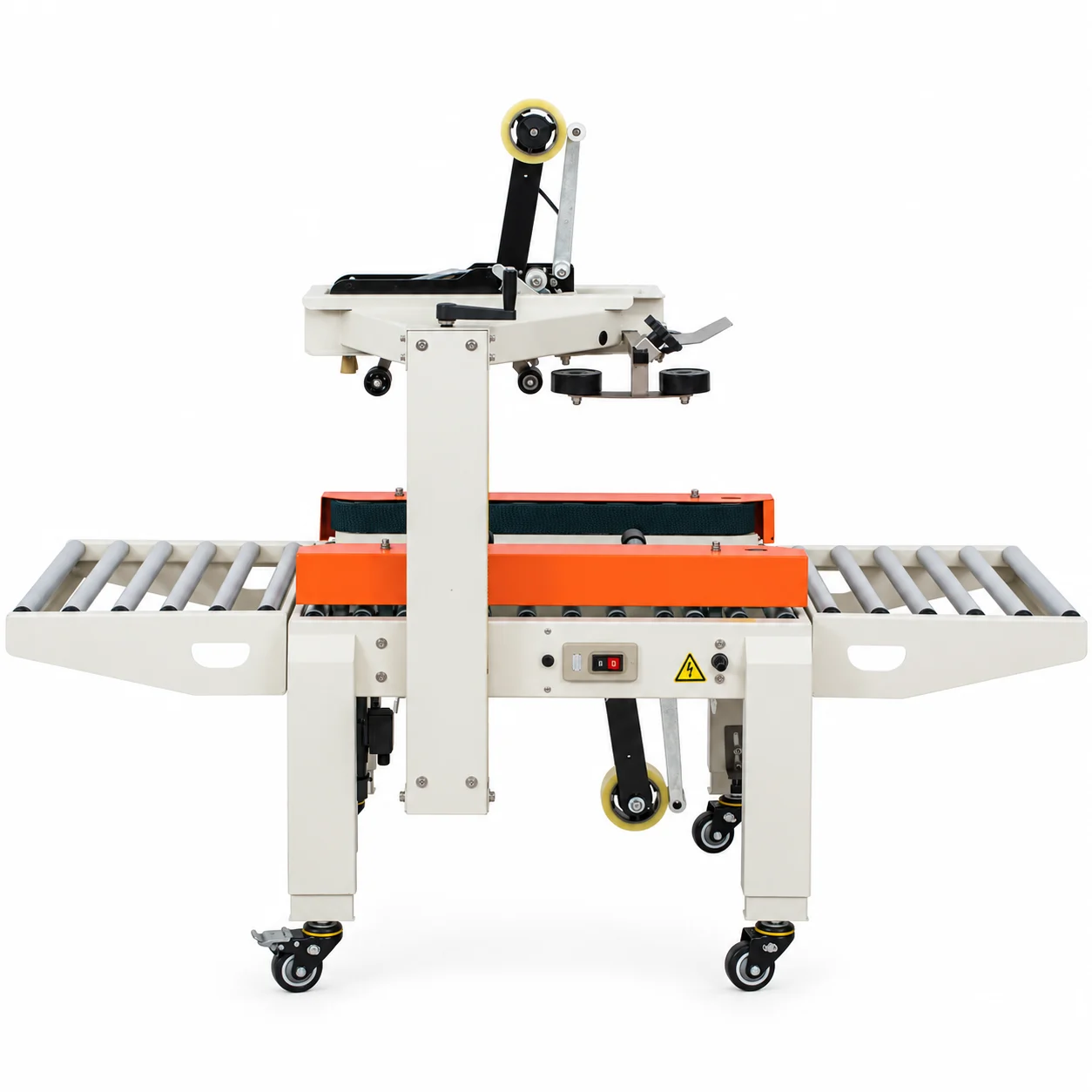
For a manually prepared carton, compare FXC5050 with FXC5050X when small cartons are part of the requirement. For automatic flap folding before centre sealing, review DQFXZ5050S. Where the finished pack requires an H pattern, compare the standard combination with the flap-folding H-sealing arrangement.
| Carton arriving at the station | Equipment starting point | What to check |
|---|---|---|
| Flaps manually closed; centre seams need tape | FXC5050 Top & Bottom Carton Sealer / FXC5050X Small-Carton Sealer | Carton size, packed weight and tape width |
| Upper flaps need folding before centre sealing | DQFXZ5050S Automatic Flap-Folding Carton Sealer | Flap style, size adjustment and infeed method |
| Flaps closed; complete H pattern required | H-Type Carton Sealing Line | Centre sealing, transfer and edge taping scope |
| Open upper flaps; complete H pattern required | Automatic Flap Folding & H-Sealing Line | Folding and both sealing stages as a matched arrangement |
Choose the process with RUIKE
Share photographs of the required seal, your carton sizes, packed weights and existing sealing equipment. RUIKE can use this information to discuss the equipment selection for your process.